 Haushelden

 Deutsch
 Українська
 Español
 Polski
 Türkçe
 Svenska
 Nederlands
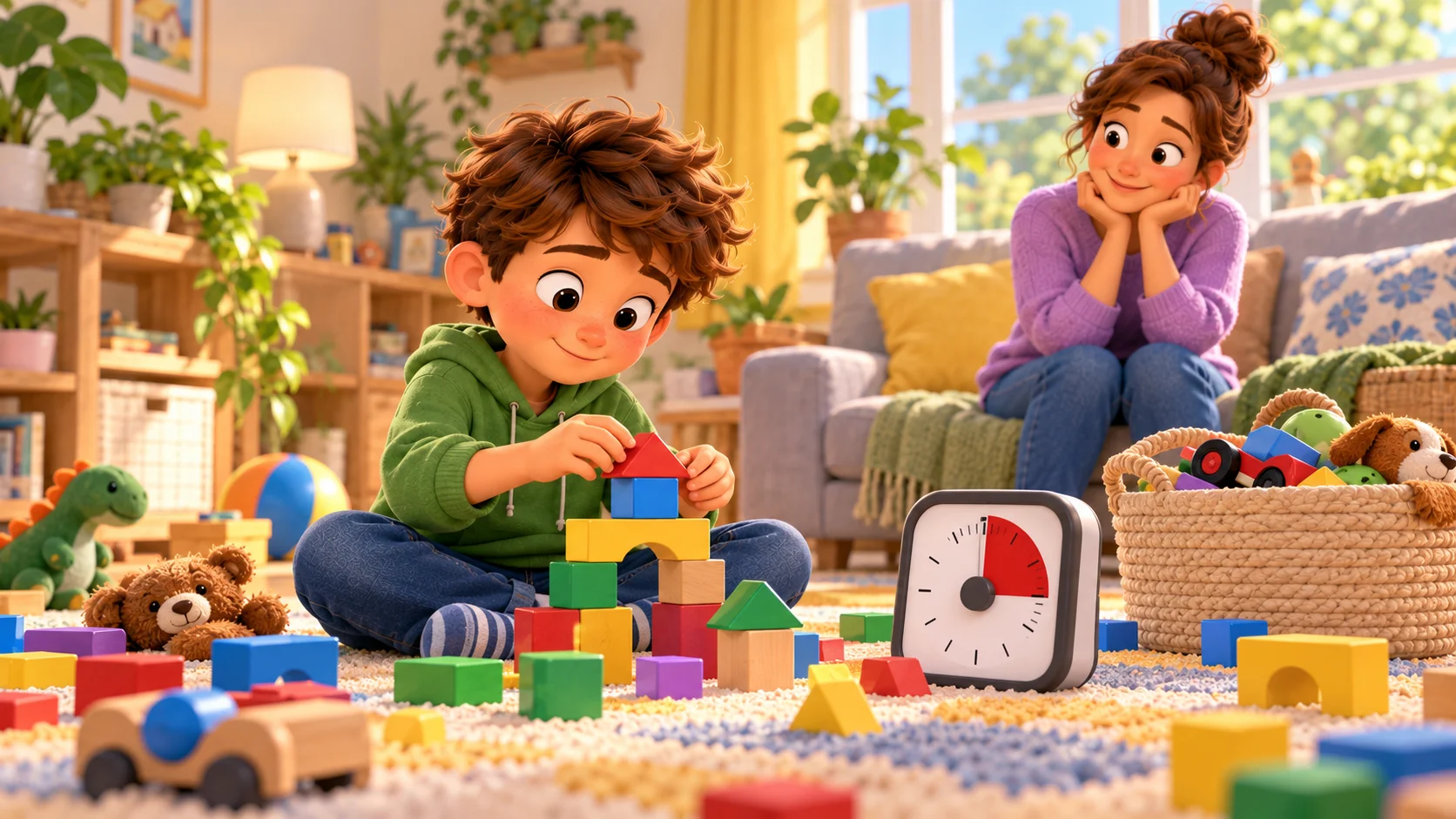
Psychologists Fuschia Sirois and Timothy Pychyl often describe procrastination as short-term emotion regulation. A child who doesn't want to clean their room and instead plays initially feels relief. But postponing isn't automatically a sign of poor self-regulation. Sometimes it's a necessary break the child needs to avoid feeling overwhelmed.
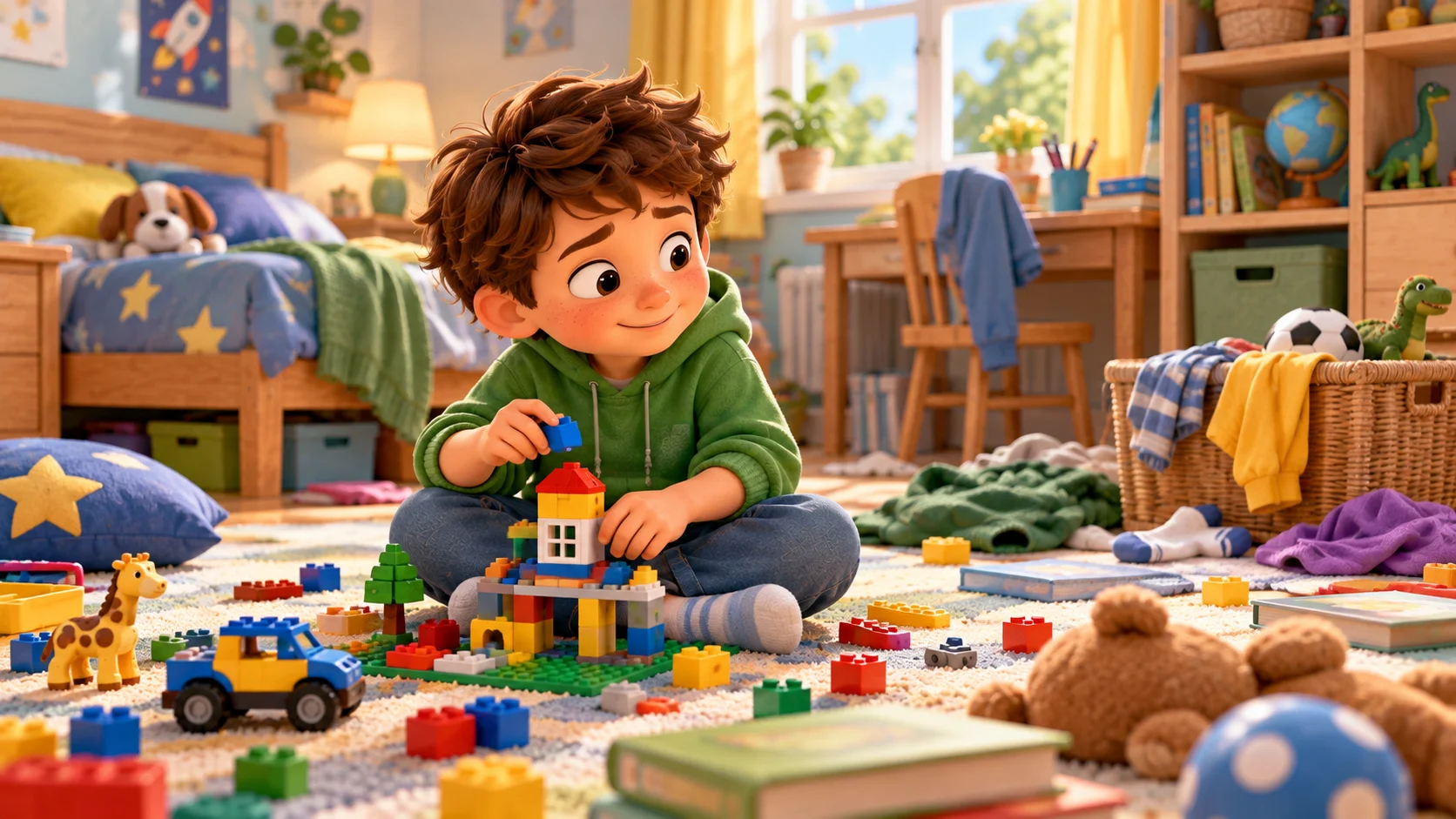
Imagine your child sitting in a messy room. Toys are scattered everywhere, and tidying up seems like an insurmountable task. Instead, they grab a toy car and dive into a world of fantasy and adventure. In this moment, play is a release for the stress and overwhelm that cleaning brings.
 This image was created with AI
Emotional self-regulation is the ability to perceive one's own feelings and influence their course. Psychologist James J. Gross defines this as processes that determine which emotions we have, when we experience them, and how we express them. It's not about suppressing unpleasant feelings but finding an appropriate way to deal with them.
A child who learns to regulate their emotions develops tools to cope with stress and overwhelm. They can decide when they need a break and when they can face a challenge. Developing this ability is an important step towards independence and responsibility. Haushelden supports this process by helping children recognize and name their emotions.
- Situation Selection: Consciously seeking out or avoiding a situation.
- Situation Modification: Changing conditions to better manage the situation.
- Attention Deployment: Directing attention to specific aspects.
- Cognitive Reappraisal: Reevaluating the meaning of a situation.
- Response Modulation: Influencing an emotional reaction.
An everyday example: A child wants to keep playing even though they should tidy their room. This inner conflict between desire and duty is typical. Emotional self-regulation allows the child to make a conscious decision—perhaps they play for ten more minutes and then start with a small tidying task.
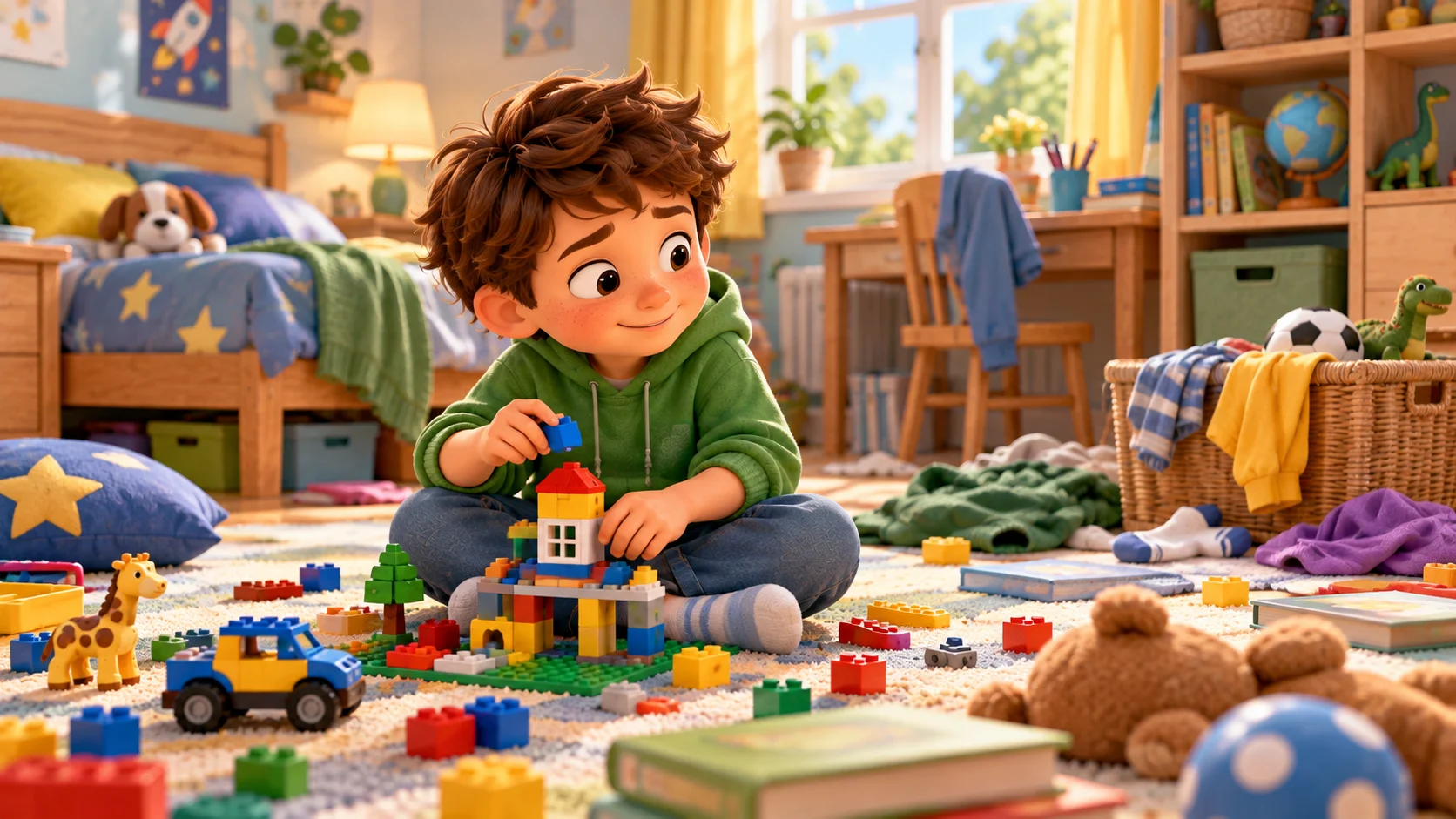
The method of cognitive reappraisal can be helpful here. Instead of seeing tidying up as a big, insurmountable task, the child learns to break it down into smaller, manageable steps. Perhaps they start by just picking up the Lego pieces. This makes the goal more tangible and less overwhelming.
 This image was created with AI
Sometimes procrastination is mistaken for a lack of self-control. But distinguishing between them is important: Emotional self-regulation means perceiving and appropriately regulating feelings. Self-control, on the other hand, is inhibiting an impulse in favor of another goal. Self-discipline describes sticking to goals despite effort.
The misunderstanding often lies in seeing every break as laziness or lack of discipline. But a break can be a conscious decision to gather strength and then tackle a task with renewed energy. Haushelden promotes understanding when a break is sensible and when it is a strategy of avoidance.
Not every delay is poor self-regulation. Sometimes it's a necessary break.
Haushelden helps children distinguish between necessary recovery and avoiding a manageable challenge. The app is based on models like James Gross's process model and psychological flexibility. The goal is for children to learn to regulate their emotions and make independent decisions.
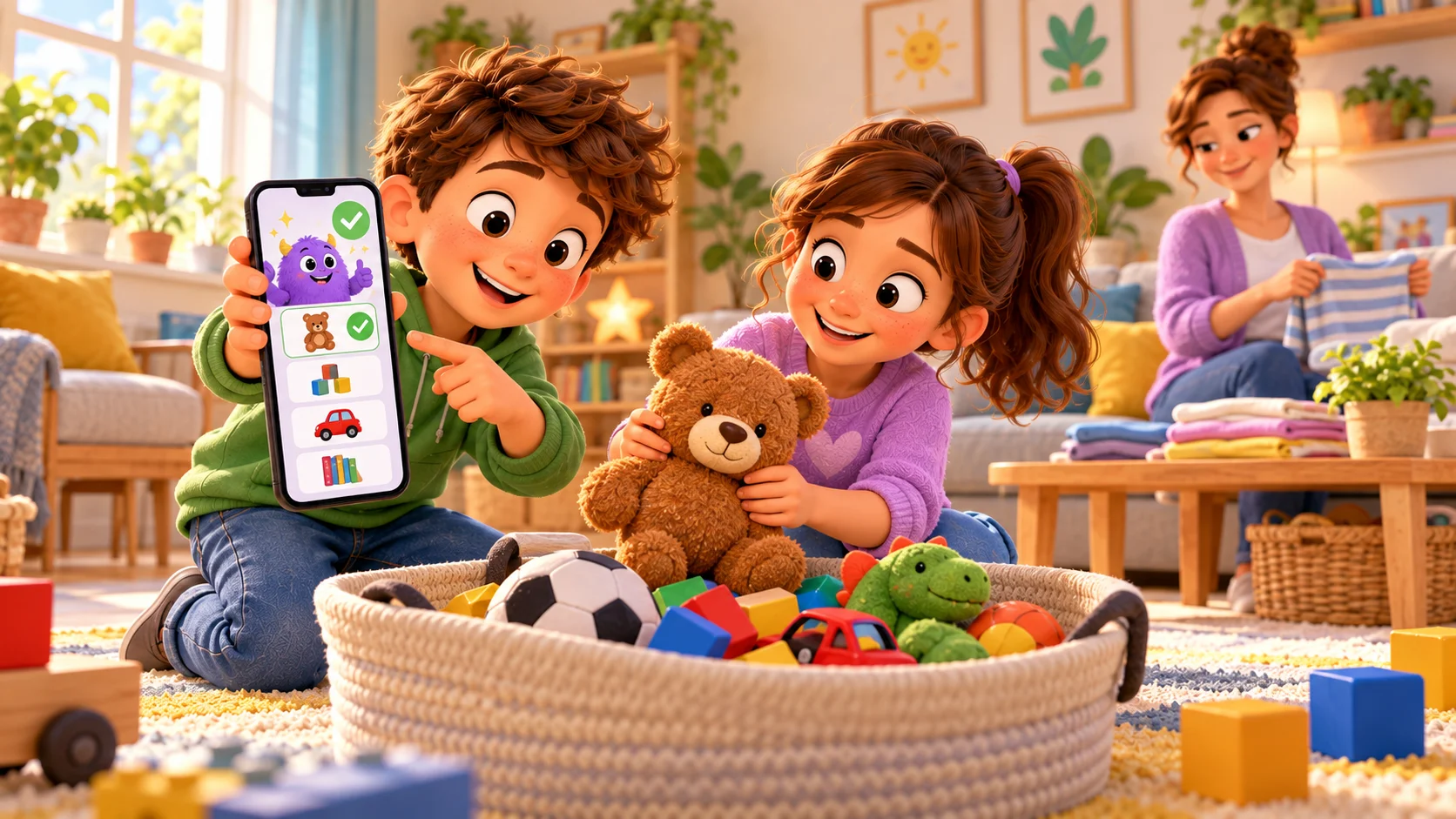
The digital play world of Haushelden offers children a safe environment to try out different strategies of emotion regulation. Through role-playing and virtual challenges, children are encouraged to explore their emotions and find new solutions. This not only strengthens their emotional intelligence but also their self-confidence.
 This image was created with AI
The Marshmallow Test shows that the goal isn't the ability to endure discomfort. Rather, children should learn to understand their needs and develop strategies. The environment plays a role here. Children in reliable environments learn better to regulate their needs.
In a study, researchers found that children who grow up in a stable and supportive environment are more likely to delay gratification. These children develop confidence in their abilities and know they will receive support when needed. Haushelden creates such a supportive environment where children learn to manage their needs and emotions playfully.
Haushelden combines scientific insights with a pedagogical model for everyday life. The Night Monster mechanic illustrates that delaying tasks can impact the community. Children should learn to take responsibility and align their needs with those of others.
A twelve-year-old using Haushelden reported progress in initiating independent actions. Initially, they needed constant reminders to complete tasks. Over time, they learned to take the first step themselves and even refused to take on an easier task. This example shows how Haushelden supports children in taking responsibility and strengthening their emotional self-regulation.
In the end, the question remains: How can we support our children in better regulating their emotions and making independent decisions? Share your thoughts and experiences!