 Haushelden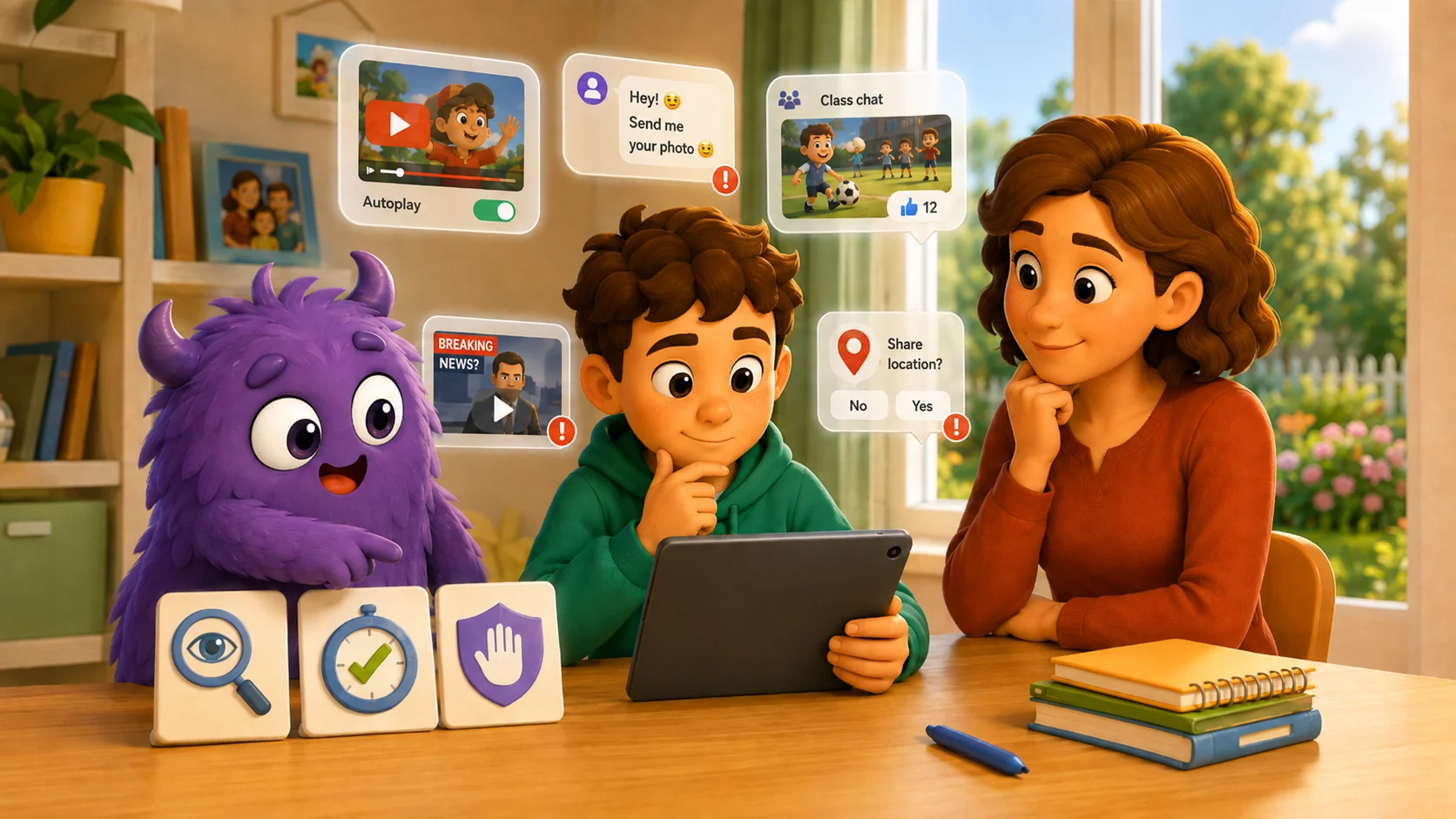
Dear parents, have you ever thought your child is media literate just because they can operate a tablet? 🤔 I used to think the same until my son showed me that media literacy is so much more. It's about understanding what happens to us when we're online, not just mastering the technology. Let's discover the true essence of media literacy together.
Not Just Operating Tech, But Understanding It
Many of us believe a child is media literate if they can use PowerPoint, Google, and a tablet. Sounds logical, right? But hold on, that's just the tip of the iceberg! 😊 What good is it if kids master the tech perfectly but don't understand how to handle the content? A child can play games or watch videos on a tablet, but what happens when they encounter problematic content or share their data?
Media literacy means much more than just technical skills. It's about recognizing what's happening to you, making critical decisions, and knowing what to do when things go wrong. Imagine your child can assess why they're seeing certain content and how to react to manipulations. That's the true art. Ultimately, it's about maintaining control over your digital experiences and not becoming a pawn of algorithms.
Manipulative Systems and Their Challenges
Kids today often navigate digital environments that not only display content but also aim to predict and influence their behavior. Have you ever noticed how quickly "Just one more video" can turn into hours on the screen? These systems are designed to captivate our attention. They use psychological tricks to keep us on the platform longer. Autoplaying videos or constant notifications that friends are online are classic examples.
The crucial point is that kids learn to recognize this manipulation. Just because a video is shown doesn't mean it's important or true; it means the system thinks they'll watch it. The question kids should ask is, "What does this system want me to do right now?" That's a fantastic media literacy question. It's not just about consuming content but understanding why it's presented to us and the intention behind it.
Social Pressure in the Digital Space
Many problems kids experience online are actually social issues amplified by technology. Imagine your child receives an embarrassing picture of a classmate in a group chat. The real challenge isn't just knowing that bullying is wrong but deciding what to do in that moment. How do you react when you see friends doing something wrong or conspiring against someone? Kids often face immense social pressure to conform.
Kids need to learn how to act correctly in such social situations. They shouldn't just passively watch but actively decide how they want to behave, whether by reporting an incident or supporting an affected classmate. This is where true media literacy is born. It's about developing a personal moral compass and doing the right thing even in tough situations. This requires courage and the ability to stand up for oneself and others.
The Challenge of Evaluating Information
It used to be enough to tell kids that Wikipedia isn't always right. Today, things are different. A perfectly edited video or an AI-generated response sounds convincing—but is it true? Kids need a method to evaluate information. In a world where fake news and misinformation are rampant, it's crucial that kids learn to critically question information and not take everything at face value.
A simple method could be: Who says this? Why are they saying it? How do they know it? And can I find independent confirmation? Especially today, where AI plays a big role, this is an essential skill we must pass on to our children. The ability to evaluate information is one of the most important competencies in the digital age. It not only protects against misinformation but also enables informed decision-making.
Secure Privacy Instead of Abstract Data Protection
"Don't share your data"—that's often easier said than done, especially for kids. It's much more important to teach them the consequences of sharing information. A selfie can reveal where someone lives or goes to school. Often, kids are unaware of the implications of their digital footprints. They happily share pictures and information without considering who might see them and what conclusions could be drawn.
That's why kids should learn to think before sharing: "Would it be okay if someone I don't like at all sees this information tomorrow?" This helps them develop an awareness of the impact of their digital actions, which is a central aspect of media literacy. It's about maintaining control over one's information and understanding that the internet never forgets. This insight helps kids handle their data more responsibly.
Dealing with Strangers Online
In today's digital world, it's normal for teenagers to interact with strangers in online games or on platforms. The problem isn't the stranger per se but recognizing manipulative patterns aimed at building trust and pushing boundaries. Often, it starts innocently with a shared game or an interesting chat. But what if the supposed friend suddenly asks for personal information or urges secrecy?
Kids need to learn to recognize these patterns and respond to them. A safe adult will never ask a child to keep something secret from their parents. This realization is an important safety rule we should teach our children. It's about developing a healthy skepticism and knowing when it's time to ask an adult for help. This ability not only protects kids from potential dangers but also boosts their confidence in dealing with strangers.
Courage is Key to True Media Literacy
Knowledge alone isn't enough to be media literate. It also takes courage to act correctly in challenging situations, especially when shame, peer pressure, or curiosity come into play. A child might know they shouldn't forward a picture and still do it. Why is that? Often, it's the fear of rejection or the desire to belong that leads kids into such situations. Here, it's important for kids to learn to stay true to their own values.
That's why it's important to repeatedly put kids in small decision-making situations where they can discuss and reflect on their behavior. This way, they learn to act courageously and make decisions based on their own values. This ability to stay true to oneself and do the right thing even in difficult situations is a crucial part of media literacy. It strengthens children's self-confidence and helps them navigate the digital world.
An Emergency Principle for Digital Challenges
Kids will repeatedly encounter problematic content in the digital space. It's therefore crucial to teach them a simple emergency principle: STOP, DON'T CONTINUE, SECURE, BLOCK/REPORT, SEEK HELP. This principle should become as second nature as knowing to call the fire department when there's a fire. Because the internet harbors many dangers, be it in the form of cyberbullying, inappropriate content, or scams.
The goal isn't to prevent every risky situation but for the child to recognize it and know how to get out of it. This fosters genuine digital independence. Kids should know it's okay to seek help when they're unsure. This willingness to seek support in difficult situations is an important step toward responsible media use. It shows that the child is aware of the risks and ready to act proactively.
A New Model of Media Literacy
Instead of just teaching kids rules and apps, we should impart three skills: Recognize, Decide, React. This is the core of digital independence and far more demanding than "a maximum of 60 minutes screen time." Because media literacy means a child can use digital media without being at their mercy. It's about acting autonomously in the digital space and not just passively consuming content.
With a learning concept based on real-life situations, we can actually train media literacy instead of just explaining it. This is the way forward. Kids should learn to respond appropriately in various digital scenarios and be aware of their actions. This way, they develop the ability to navigate the digital world safely and independently, which not only helps them in the here and now but also prepares them for future challenges.